


Training Tips for Riding in 30°C+ Heat
This summer in Japan is the hottest on record.
Since late June, temperatures over 30°C have become the norm,
and you break into a sweat just walking outside.
With the humidity on top, there's barely any difference between the air temperature and your body temperature, so I'd like to share some tips for training in these harsh conditions.
These days it genuinely feels life-threatening, so I hope the preparation and precautions I use myself will help.

What to watch out for in the heat, and how to cope
1. Preventing heatstroke and overheating
Once your body temperature goes above 38°C, performance drops noticeably.
Ride at times that avoid direct sun (early morning and evening).
Cool your head and neck: a neck cooler with an ice pack, or a cold bottle against your neck, helps bring your temperature down.
Wear thin, light-coloured, breathable clothing.
2. A hydration plan
In the heat, aim for 750–1,000 ml of fluid per hour (roughly two bottles).
Electrolytes are essential: aim for a sodium concentration of 500–800 mg/L.
Rather than only sweet drinks, it's effective to use mineral tablets or oral rehydration solution as well.
Drink a little every 15–20 minutes, before you feel thirsty.
3. Carbohydrate
The heat tends to kill your appetite and your will to eat, so rely mainly on easily digested gels and drinks.
On long rides, make sure you get 60–90 g of carbohydrate per hour.
4. Pacing
On hot days, cap your effort at about 70–80% of FTP.
Your heart rate runs high as your body temperature rises, so it's safer to pace by power.
Move high-intensity sessions to the indoor trainer or to cooler times of day.
5. Heat acclimation
For the first 5–10 days of hot weather, gradually get used to it with 60-minute easy-to-moderate rides each day;
you'll start sweating sooner, your sweat will contain less sodium,
and your heart rate will rise less.
6. After the ride
Within 30 minutes of the ride, have a recovery drink and some salt.
Keep ice cream and shaved ice in the freezer too.
Avoid cooling down suddenly in a cold shower; it's better to cool off gradually with room-temperature water.
Managing your body temperature before bed also matters for good sleep.
7. Kit
Carry two bottles: one with iced oral rehydration solution, the other with a hypotonic drink.
Use sunscreen (UV damage also adds to fatigue).
Summary: making the heat work for you
Combine riding in the cooler hours, short high-intensity sessions and indoor training somewhere cool,
and plan your heat acclimation, and you'll find it much easier to keep your performance up in summer races and long rides.
Next, I'll explain the symptoms and risks that can come from training in the heat.
Heatstroke (heat illness)
Definition
A syndrome that occurs when the body's temperature regulation breaks down in hot, humid conditions and heat builds up inside the body.
Body temperature rises and circulation fails; if left untreated it can be fatal.
Mechanism
Above 38°C performance drops, and above 40°C there is a risk of organ damage.
The body tries to cool itself by sweating and increasing blood flow to the skin, but this breaks down with dehydration and reduced blood volume.
Main symptoms
| Severity | Example symptoms |
| Mild | Dizziness, light-headedness, muscle cramps, fatigue, headache |
| Moderate | Vomiting, severe headache, poor concentration, heavy sweating, rapid pulse |
| Severe | Impaired consciousness, seizures, sweating stops, body temperature above 40°C |
Prevention
Train in the cooler hours
Rest in the shade or in air conditioning
Cool your neck and armpits (cooling near the major arteries)
Plan your fluid and electrolyte intake (performance drops sharply with more than 2% dehydration)
Spot problems early (feeling hot but having chills, or feeling foggy, are danger signs)
Hyponatremia (exercise-associated hyponatremia, EAH)
Definition
A condition in which the sodium concentration in the blood falls to 135 mmol/L or below.
It tends to occur during long efforts such as marathons and long rides.
Mechanism
You lose sodium through sweat
You drink large amounts of plain water → your blood becomes diluted
Result: it can become serious, with brain swelling and impaired consciousness
Main symptoms
* Headache, nausea, swelling (hands, feet, face)
* Confusion and seizures
* In severe cases, respiratory failure and even death
Prevention
Always take salt (sodium) along with fluids, not just water
Recommended: 500–800 mg Na per litre
On long rides and enduros, use
oral rehydration solution or drinks with added salt
and salt tablets or gels as well
Thirst is a late sign, so drink small amounts every 15–20 minutes
Heatstroke vs hyponatremia
| Feature | Heatstroke | Hyponatremia |
| Cause | Rising body temperature, dehydration | Low sodium, drinking too much water |
| Body temperature | High (38–40°C+) | Normal to slightly low |
| Sweating | Heavy at first, then decreases | Heavy sweating or swelling |
| Danger signs | High temperature, impaired consciousness, chills | Swelling, headache, impaired consciousness |
| What to do | Cool the body, water + electrolytes | Salt, IV drip (medical treatment) |
Practical advice for road bike training above 30°C
These dangers can't be prevented just by drinking lots of water; the keys are electrolytes and controlling your body temperature.
Here's a simple summary of what I personally pay most attention to.
Thanks to these tips, so far I haven't suffered heatstroke or felt unwell.
1. Don't drink only water → electrolyte drinks are a must
2. Use two bottles: an insulated stainless bottle with iced oral rehydration solution, and a regular bottle with a hypotonic drink
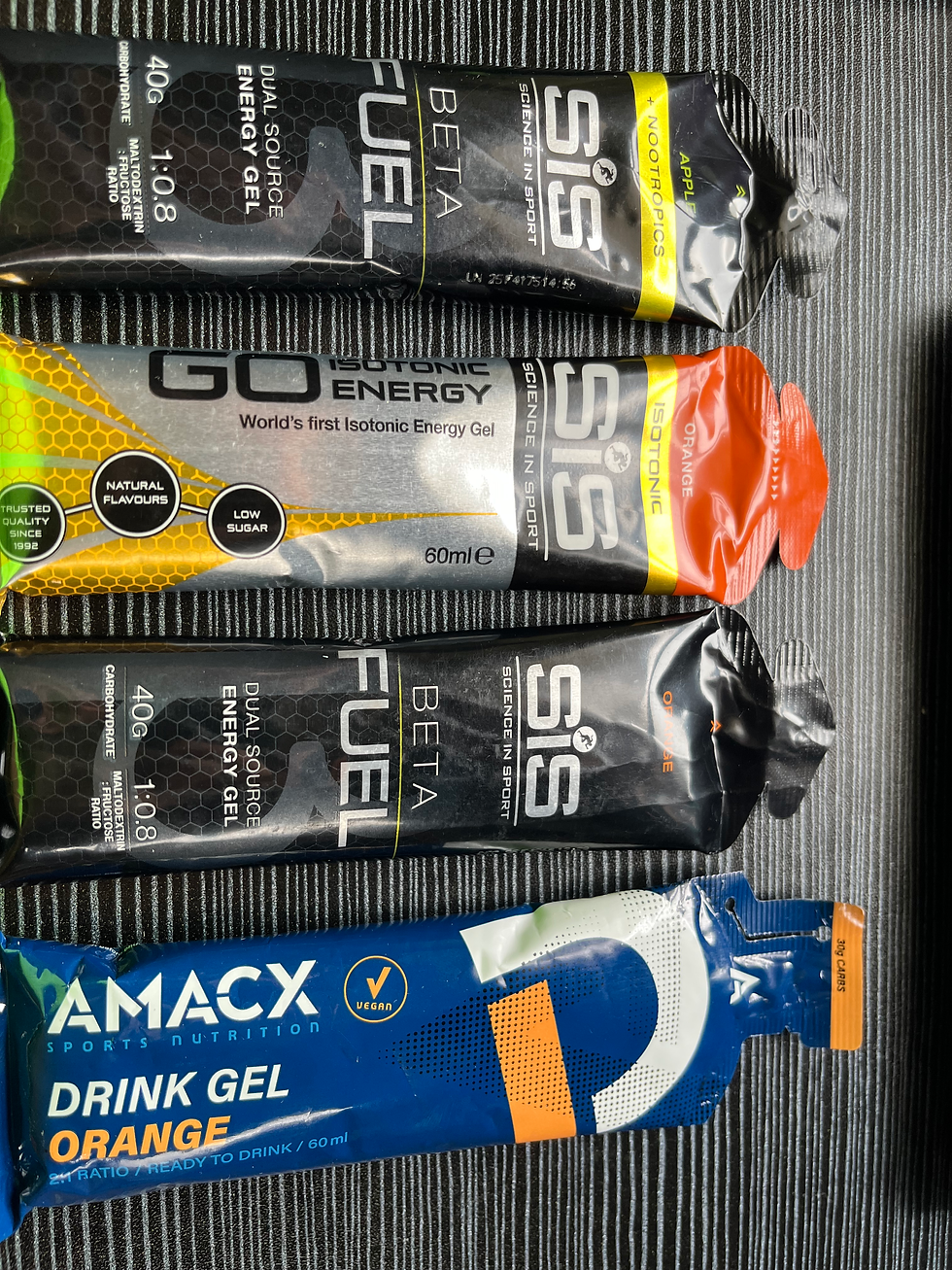
3. Take 60–90 g of carbohydrate per hour, little and often, with high-performance gels.
4. Lower the intensity until you're heat-acclimated
5. After the ride, check your weight and urine colour to monitor how dehydrated you are
And finally,
it's so hot that you can get heatstroke easily even without exercising,
so please never push yourself too hard!!
■ Read next


Comments